
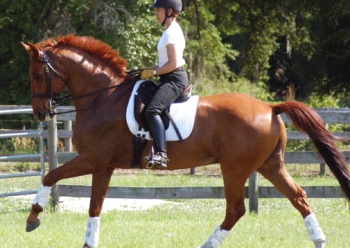
One Decision At A Time: Surviving and Thriving As A Dressage Trainer
This is what the sport needs, those willing to give their lives to it and never quit, no matter what. The investment a rider-trainer has made into their own library of muscle memory and mental maturity by the time they are fifty is priceless and can only be replaced by repeating the decades of work. This cannot be undervalued, it is crucial to the preservation of Dressage.
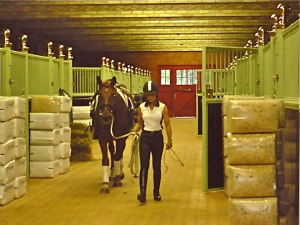
The Ten Habits of Highly Effective Dressage Riders by Nancy Kotting
Originally posted on Watapama:
© 2013-2018 Nancy Kotting ALL RIGHTS RESERVED REPRODUCTION BY PERMISSION ONLY Over the years working a never-ending multitude of horses, great Dressage riders develop habits, ways…
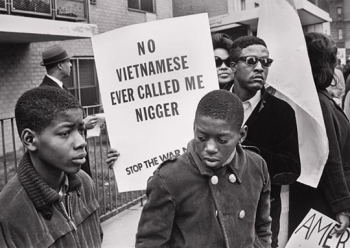
Muhammad Ali: My First Professor on Race.
“Muhammad Ali owned something called power, his own. I had never seen a man, or a woman own their strength the way he did. He taught me such was not only possible, but just.”
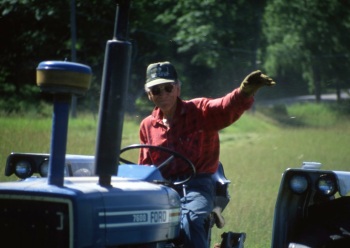
Ordinary to Extraordinary: The Life of a Leelanau Farmer
“I never knew how thin the line between a man and his land could be until I met Rex. I had followed him many a time as he walked his fields or contemplated the rows in his gardens and every time I had found myself mesmerized at the sheer breadth of his peaceful empathy for all that surrounded him, and it almost appeared at times to be returned in-kind by both animal and plant.”

Tyson Fury: The One-Two Punch Of Race And Faith
Dislike him, hate him, ridicule him… whatever means of response you might have, no matter how harsh you think it might be, rest assured he does not care in the least for there is nothing Tyson Fury, his family, his extended family, his fellow Roma, his fellow Catholics have not endured for centuries. Nothing.
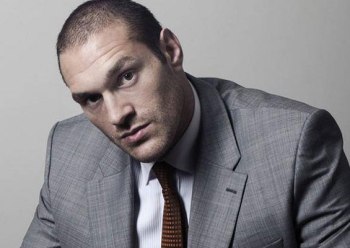
Is Tyson Fury Poised To Become The Muhammad Ali Of Our Era?
Just as Ali navigated his place in history and changed the public perception of black athletes forever, so to might Tyson Fury change the public perception of Romani and Orthodox Catholicism. While Ali has lived to see the struggle for racial equality mature, for Tyson Fury and his fellow Romani, the world remains a hostile environment, filled with seemingly insurmountable hate and relentless prejudice.

7 Reasons Why Every Tech Start-Up Needs An Older Woman On The Team
So should you, if you are an accomplished woman who has been down some roads, failed productively, lived to tell about it and reached more than a few pinnacles along the way to the five decade mark. I’ve got good news for you: Our skill set just might be the hottest commodity in tech start-ups.
Laura Graves and Verdades: Busting the Elitist Myth of Dressage
© 2015 Nancy Kotting All Rights Reserved Reproduction by Permission Only Authors Note: History was made today! Congratulations to Laura and Verdades who scored a stunning 80.364% to secure … Continue reading
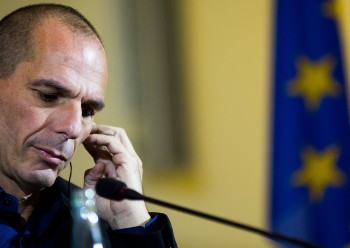
Yanis Varoufakis Interview ‘All The Good Stuff That Cannot Be Measured’ (full transcript)
The following is a full transcript of an interview of Yanis Varoufakis, currently serving as Finance Minister of Greece, conducted by Martin Beroš for SkriptaTV in May of 2013 in … Continue reading

Blotter, Beemers and Bras
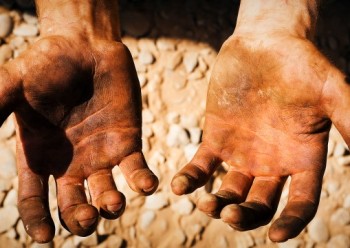
I have learned that what doesn’t kill you, fills your pen. I have learned to open my mouth and hit the streets when justice calls. I have learned to walk away after the first sentence, in obedience to my own moral compass.
Inside Out In Detroit
Detroiters always come home. Living in the city, entrenched in our valiant efforts, we burn out, get angry, say we are done and go to great lengths to put the … Continue reading

The Power of Ruin: Detroit And The Artistic Mind
“At this point in time, the heart and soul of Detroit lies squarely in the power of ruin to inspire, ignite and carry the human imagination wherever it wants to go. This is what we give the world. This is what we do. This is the physical platform we offer to anyone who wants to join us.”
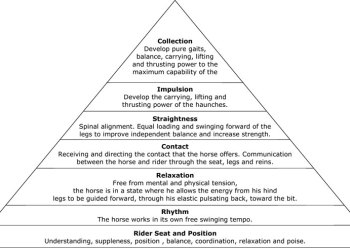
The Ten Habits of Highly Effective Dressage Riders by Nancy Kotting
“The work is a continuum, each ride building upon the last. There are no short cuts. You cannot buy it, you have to make it with consistent, correct work, realizing nobody can do it for you. The amount of success you have as a rider is directly related to the amount of effort you put into it. Rome was not built in a day and neither is a Grand Prix rider/trainer, nor a Grand Prix horse. Get up, dress up, show up and put in another day’s work. Then do it again, and again and…again. The river of trying never stops flowing.”

Invisible Thread
It is September 10th and the weather is coming in. Pulling the winter horse blankets out of the trunks fills the room with the stench of manure, mildew and the … Continue reading

The Seeds of Trump
Yesterday, the electoral college system spit out a demagogue for the office of President of the United States of America. He lost the popular vote by over 146,000 votes, earning less that 50% of the total. The majority of voting Americans DID NOT VOTE FOR HIM. Throughout his campaign, he relentlessly tapped into the hearts and minds of the disillusioned, those disserted and disenfranchised across rural America, for whom no one has spoken on behalf of since the Great Depression.
An Exclusive Interview with Romany Filmmaker Caleb Botton
1980: In the early morning hours on a gravel road in Southern Alberta, Canada a young boy, just 15 and already ensconced in a man’s body, sat confidently behind the … Continue reading

Stars and Stripes
And so we behold stars, stripes and the unfurling of majesty, locked in a waltz I knew as a child, but can no longer fathom. I recall the smell of … Continue reading
50 Years ‘In The Tack’
Today marks not only a birthday, it marks 50 years in the tack. By the grace of God, I remain present and able to pull my boots up for another … Continue reading

Yellow Springs
Seems now, in the fifth decade, if it is familiar in any way, I move toward it. I call it relapsing. When is that pivot point in one’s life where … Continue reading

Dear Melania
We are watching you now Melania and we want you to know something we all have come to know: Healthy women do not go where they are not wanted.
Chris Hedges, DemocracyNow Interview DTD July 26, 2016
“A political campaign raises consciousness, but it’s not a movement. And what we are seeing now is furious spin—I listened to Ben Jealous just do it—from the self-identified liberal class. And they are tolerated within a capitalist system, because, in a moment like this, they are used to speak to people to get them to betray their own interests in the name of fear. And I admire Robert and have read much of his stuff and like his stuff, but if you listen to what he’s been saying, the message is the same message of the Trump campaign, and that is fear. And that is all the Democrats have to offer now and all the Republicans have to offer now.” Chris Hedges

 Watapama